Uniform air permeability
Multi-layer weaving helps keep airflow stable across the full working surface.
AIRSLIDE FABRIC / AIRSLIDE BELT
Custom airslide fabric for stable dry powder flow.
For air slides, silo bottoms, bulk tankers and dry powder discharge systems.
Product overview
Multi-layer fluidizing fabric for air slides, silo bottoms, tankers, vessels and dry bulk powder discharge systems. Airslide fabric is a dense multi-layer woven porous membrane. Low-pressure air passes through the fabric evenly so dry powder can move by gravity with low energy demand and minimal mechanical wear.
Why Shengquan
For air slide fabric, credibility comes from repeatable permeability, the ability to match equipment details and practical support before quotation.
Multi-layer weaving helps keep airflow stable across the full working surface.
Rolls, strips, discs, cones and shaped parts can be matched to samples or equipment drawings.
Technical discussion, sample matching and packaging are prepared for overseas replacement projects.
Supply forms
The same fabric structure can be supplied as roll material or converted parts, so buyers can replace existing cloth, maintain silo systems or develop new equipment.
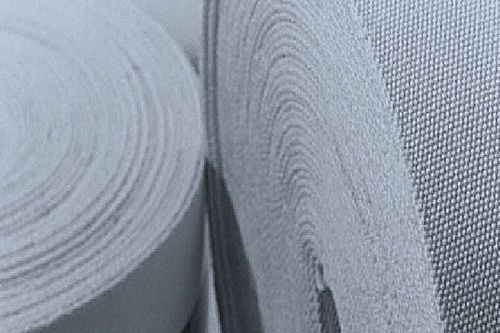
Standard roll supply for air slide conveyors, silo floors and onsite cutting.
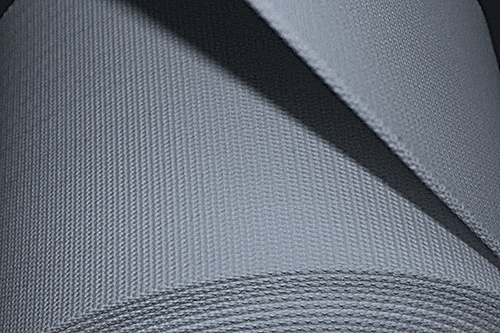
Cut-to-size strips or panels with width, thickness and air resistance matched to equipment.
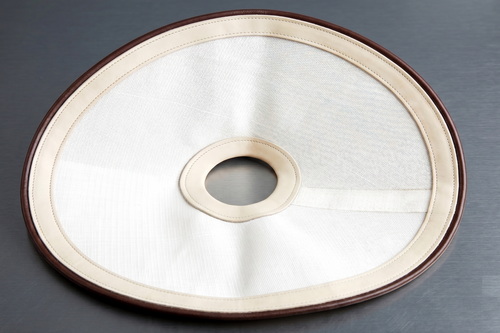
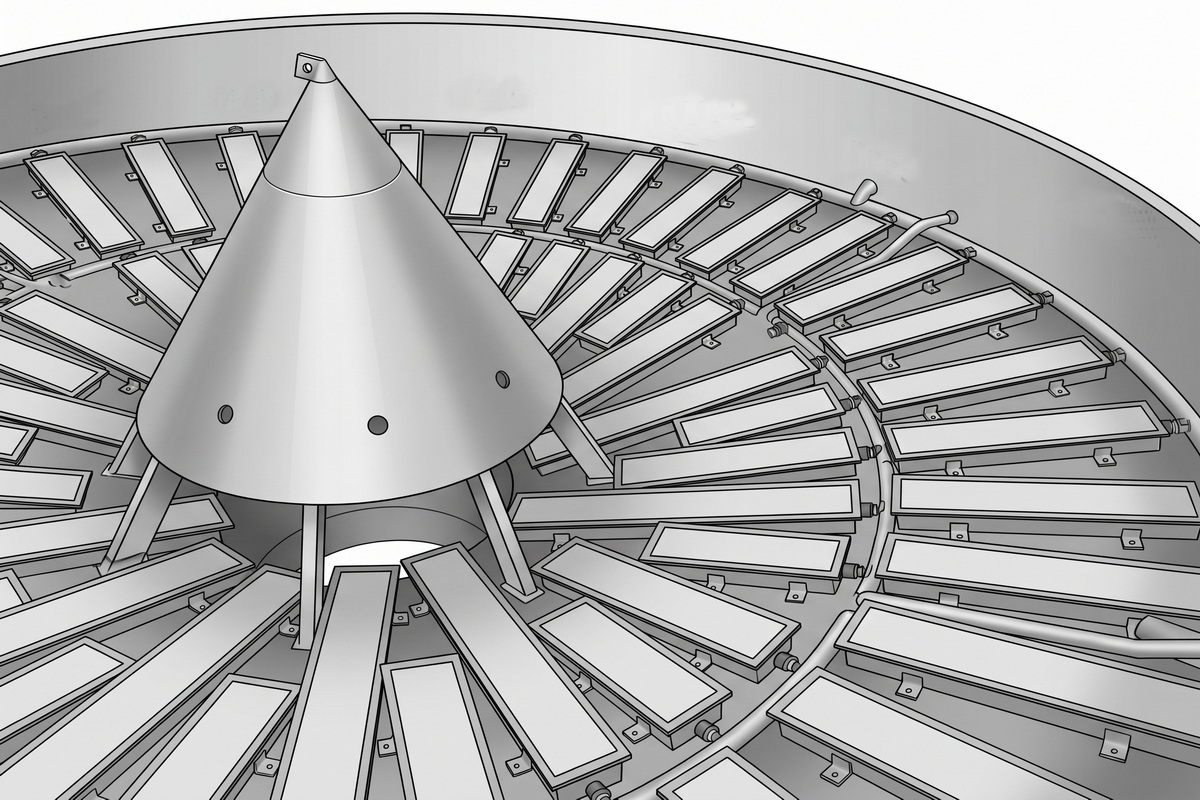
Converted pieces for silo bottoms, tankers, vessels and retrofit projects.
Working principle
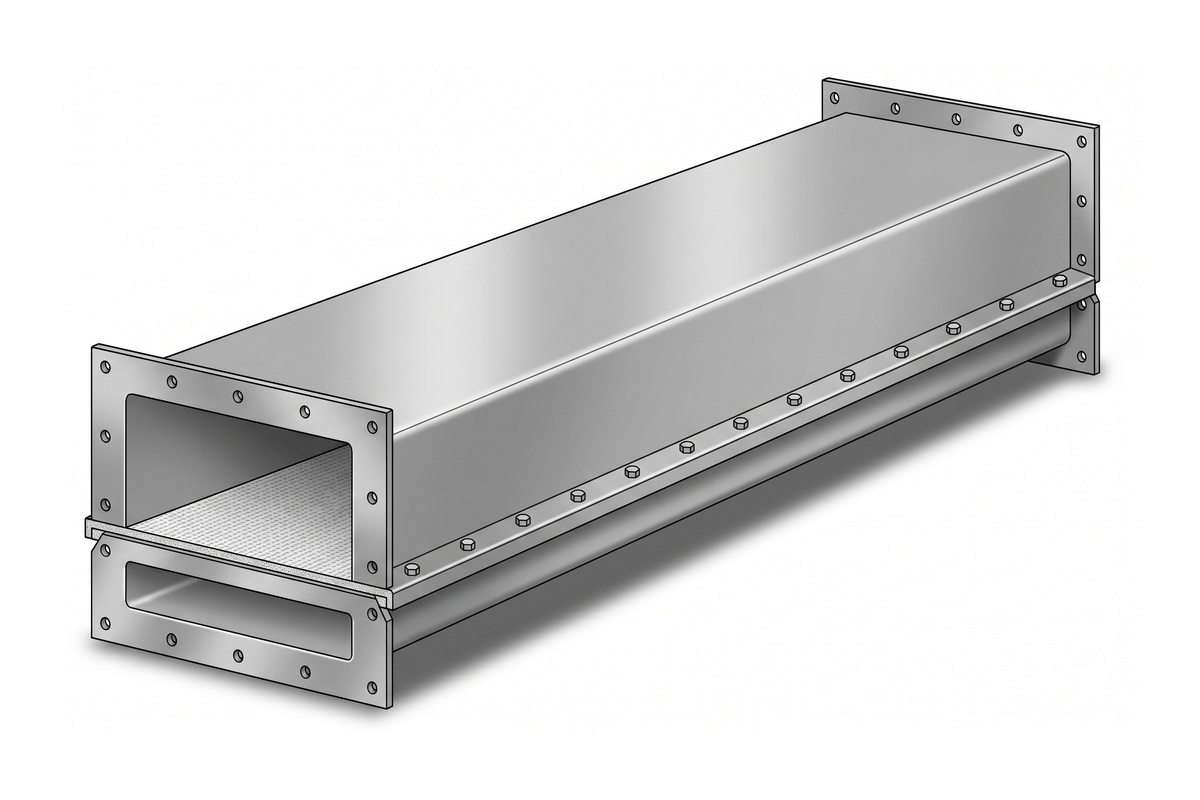
Air is introduced below the fabric layer.
The cloth works as a stable porous membrane.
Dry bulk material gains flowability with low energy demand.
Gravity and airflow help continuous discharge.
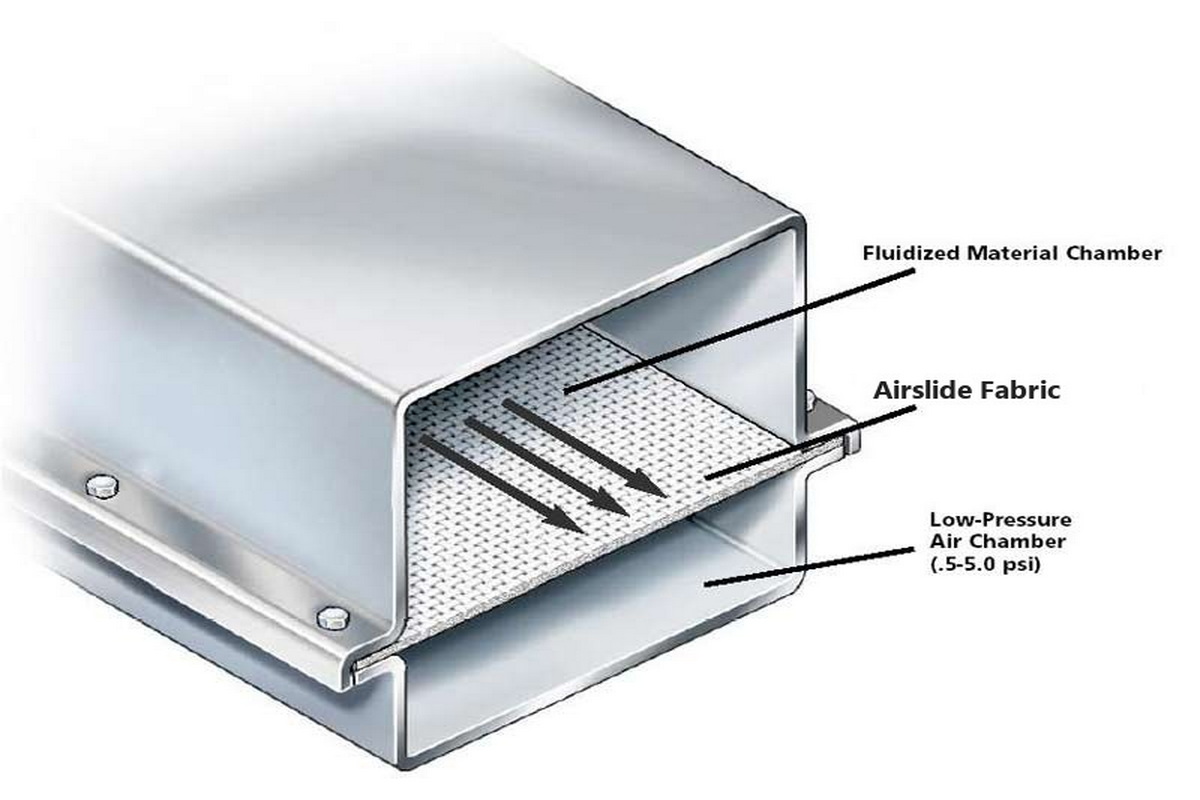
Material options
Choose by material handled, temperature, abrasion level and surface requirement. Samples or old fabric pieces help us match the closest structure.
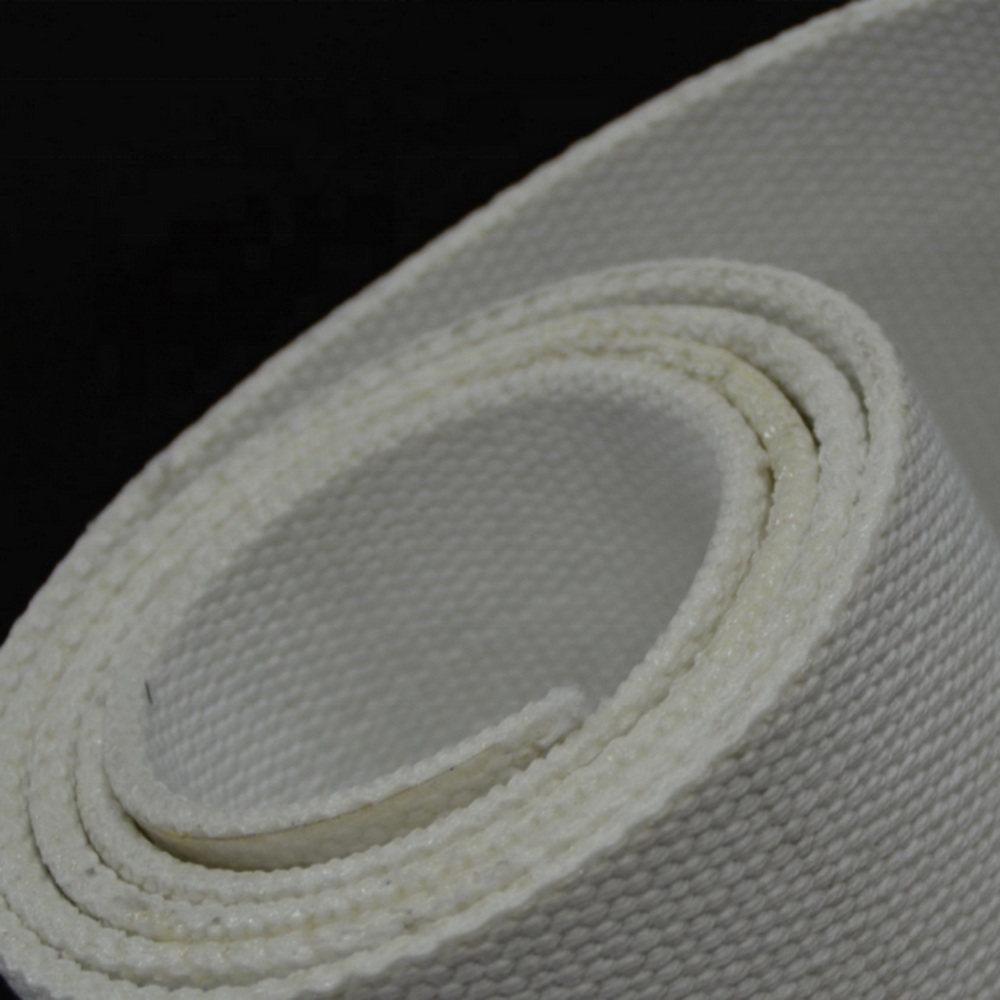
Soft, thick and cost-effective construction for general dry powder conveying.
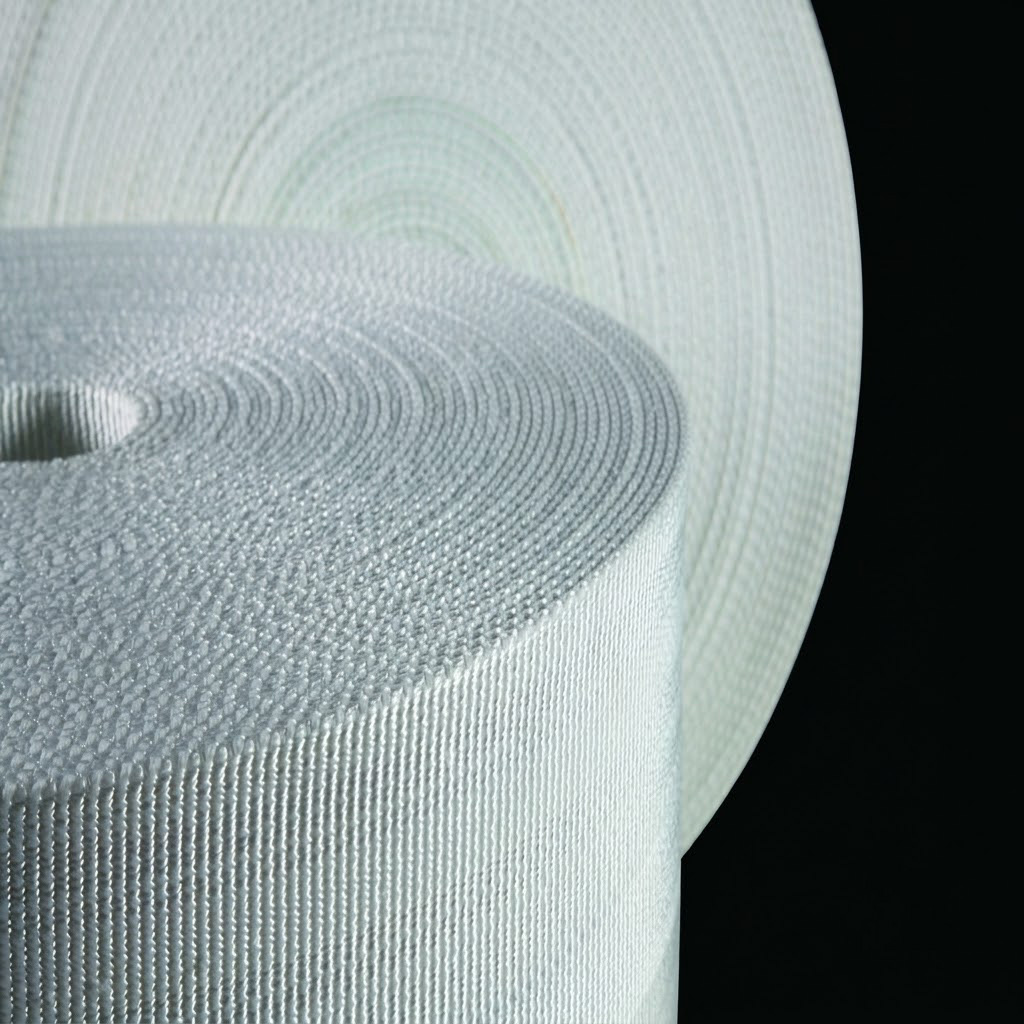
Smooth surface and stronger yarn structure for airslide and silo service.
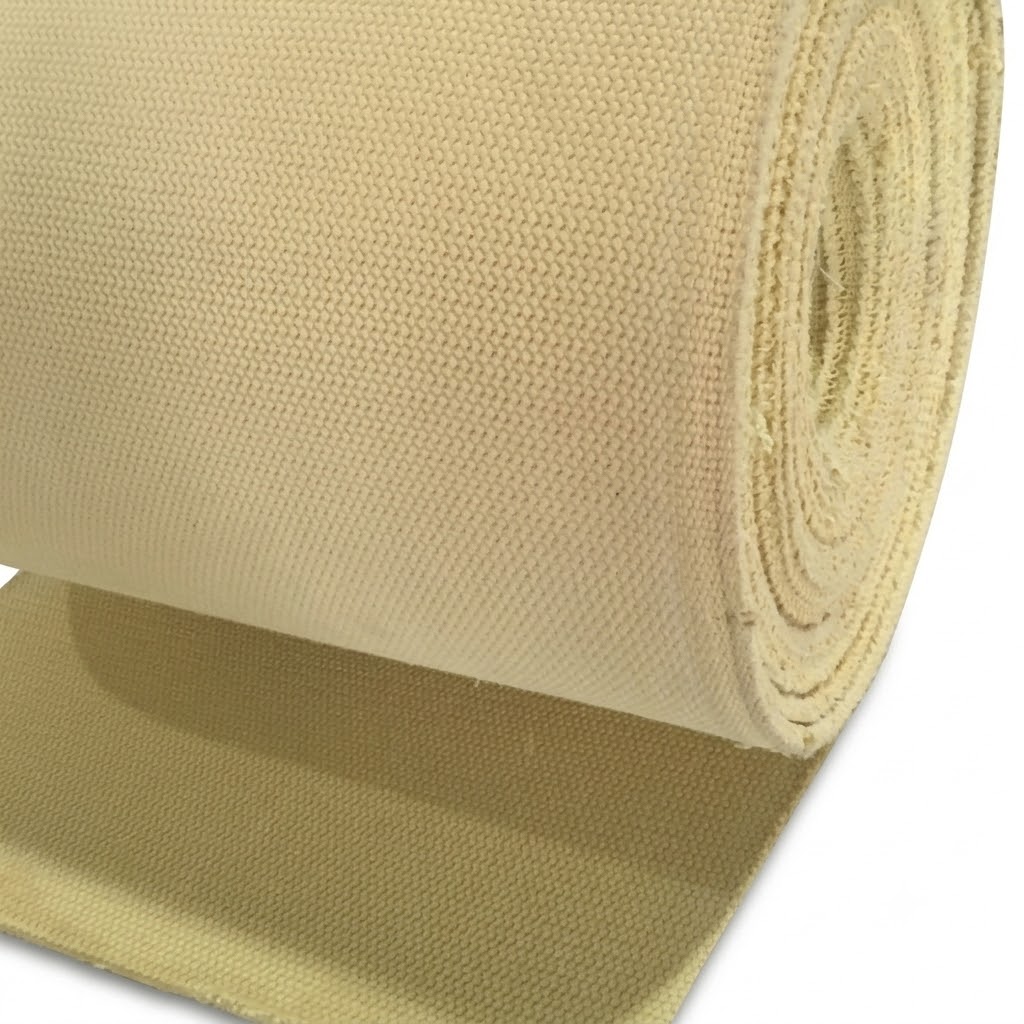
High-temperature option where polyester is not enough.
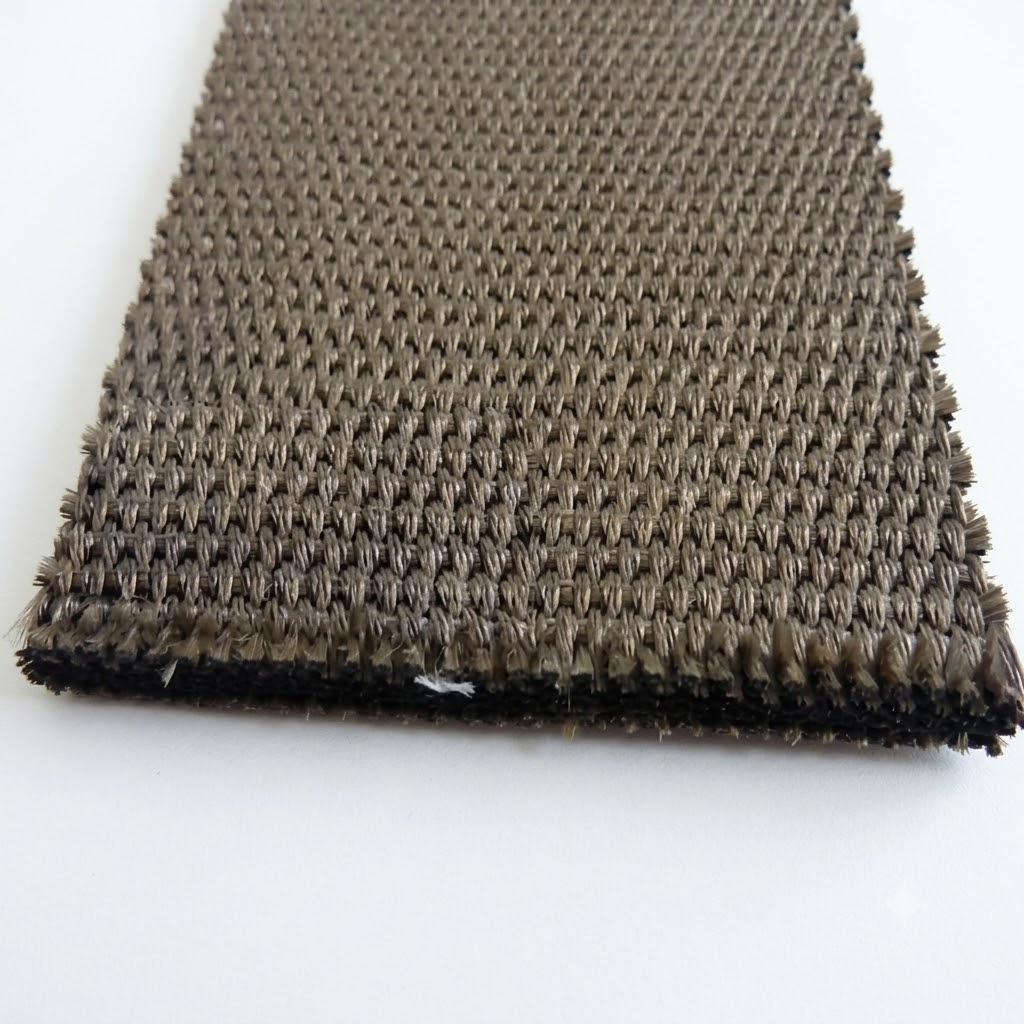
For harsh high-temperature and abrasive applications selected by condition.
Technical data
Use the table to narrow the right fabric family before quotation. Thickness, width, air resistance and temperature range usually decide whether polyester, aramid/Kevlar or basalt is the better fit.
| Materials | Polyester spun yarn, Polyester filament, Aramid/Kevlar, Basalt |
|---|---|
| Thickness range | 4 / 5 / 6 / 7 / 8 mm |
| Maximum width | Up to 2500 mm |
| Air resistance | Type A 350 mmWG Type B 500 mmWG Type C 800 mmWG |
| Fabrication | Rolls, strips, discs, cones and drawing-based parts |
Scroll horizontally to view the full technical table.
| Type 型号 | Material 材质 | Ply 层数 | Warp 经向 N/cm | Weft 纬向 N/cm | Heat 耐温 | Short 短时 | Thick. 厚度 mm | Weight 克重 g/m2 | Width 幅宽 mm |
|---|---|---|---|---|---|---|---|---|---|
| AP4-4 | Polyester Spun Yarn / 涤纶短纤 | 2-4 | 3600 | 2100 | -60 to 150°C | 180°C | 4 | 3200 | 2500 |
| AP4-5 | Polyester Spun Yarn / 涤纶短纤 | 3-5 | 5400 | 2800 | -60 to 150°C | 180°C | 5 | 3800 | 2500 |
| AP4-6 | Polyester Spun Yarn / 涤纶短纤 | 3-5 | 6000 | 4300 | -60 to 150°C | 180°C | 6 | 4200 | 2500 |
| AP4-7 | Polyester Spun Yarn / 涤纶短纤 | 3-5 | 7000 | 5400 | -60 to 150°C | 180°C | 7 | 4500 | 2500 |
| AP4-8 | Polyester Spun Yarn / 涤纶短纤 | 3-5 | 7800 | 6400 | -60 to 150°C | 180°C | 8 | 4800 | 2500 |
| AF4-5 | Polyester Filament / 涤纶长丝 | 3-5 | 6200 | 3100 | -60 to 150°C | 200°C | 5 | 3700 | 2500 |
| AF4-6 | Polyester Filament / 涤纶长丝 | 3-5 | 7000 | 4800 | -60 to 150°C | 200°C | 6 | 4000 | 2500 |
| AA4-5 | Aramid 1313 / 芳纶 1313 | 3-5 | 3700 | 2300 | -60 to 220°C | 250°C | 5 | 3600 | 2500 |
| AA4-6 | Aramid 1313 / 芳纶 1313 | 3-5 | 3800 | 2500 | -60 to 220°C | 250°C | 6 | 4000 | 2500 |
| AK4-5 | Aramid 1414 / 芳纶/凯夫拉 | 3-5 | 3500 | 2300 | -60 to 250°C | 280°C | 5 | 3600 | 2500 |
| AK4-6 | Aramid 1414 / 芳纶/凯夫拉 | 3-5 | 3600 | 2500 | -60 to 250°C | 280°C | 6 | 4000 | 2500 |
| AB4-5 | Basalt / 玄武岩 | 3-5 | 3500 | 2300 | -60 to 600°C | 800°C | 5 | 7500 | 2500 |
Note: Air resistance at 400 m3/m2/h: Type A 350 mmWG, Type B 500 mmWG, Type C 800 mmWG.
Applications
For silo bottoms and cone sections that need even air distribution and complete discharge.
For cement, fly ash, alumina, lime and similar dry bulk powders in enclosed gravity conveying lines.
For trailer, tanker and rail car discharge systems where powder needs to fluidize quickly.
For ship, barge, vessel and terminal systems handling compacted dry bulk materials.
Quality focus
Airslide fabric fails when air distribution, dimensional fit or material selection is wrong. These buying points help customers confirm the right specification before production.
Selection guide
For non-standard parts, photos, hand sketches and old samples are all useful. We can discuss fabric type, thickness, air resistance class, heat resistance and edge treatment before quotation.
FAQ
Polyester is usually suitable for normal dry powder conveying. Aramid/Kevlar and basalt are selected when temperature, abrasion or operating conditions are more demanding.
Yes. Photos, old fabric pieces, hand sketches and equipment drawings all help us match the closest weave, thickness, width and converted shape.
Yes. Roll stock, strips, sheets, discs, cone parts and drawing-based shapes can be prepared according to the installation position.
Material handled, working temperature, width, thickness, length, installation form, quantity and destination country are the most useful details.
Technical quotation
Share the selection details above and we will match the fabric type, thickness, width and supply form before quoting.